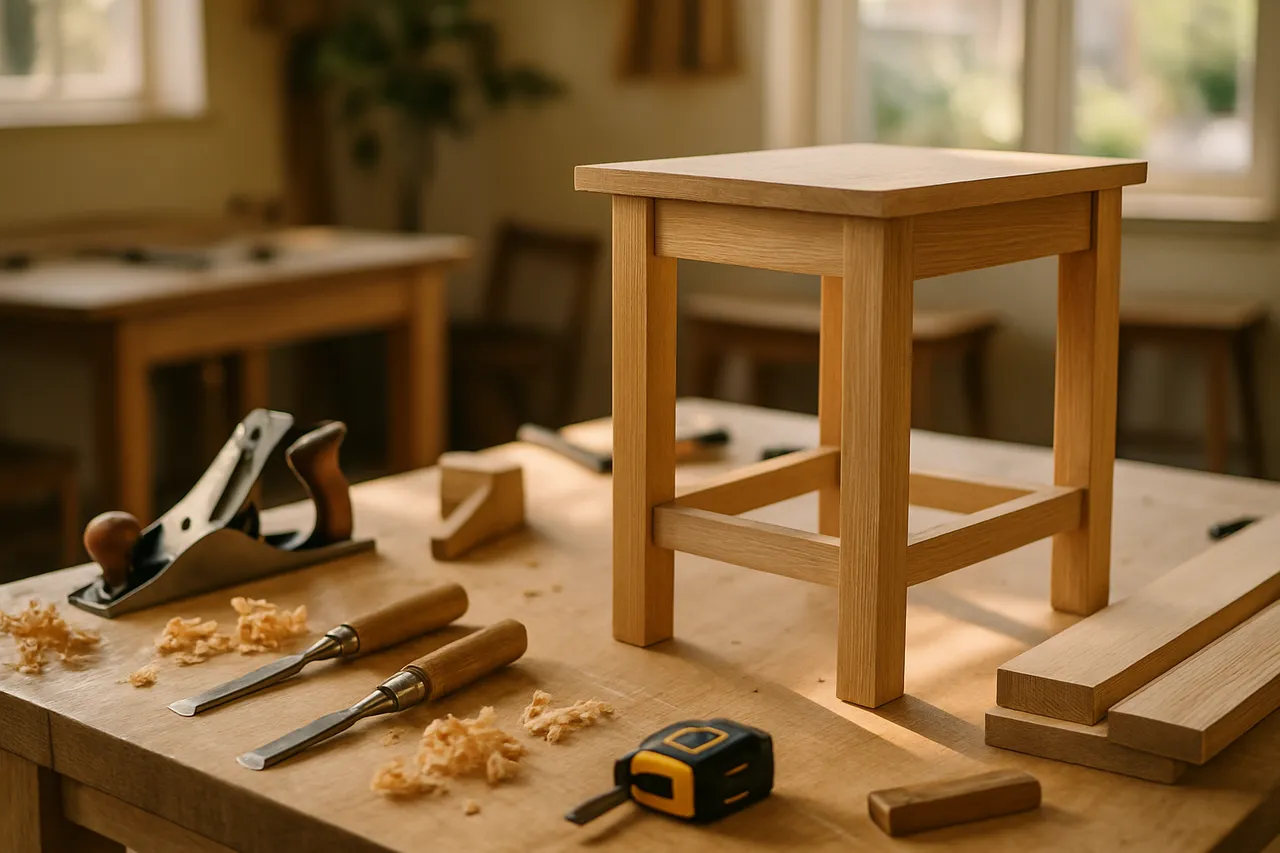
Build a Side Table: Dowel and Pocket-Hole Joinery
Over the course we build one small side table together, start to finish, and you take yours home. Screws and glue alone hold for a while, then the joint racks and the whole thing wobbles. Dowels and pocket holes are the difference between furniture you keep and furniture you re-glue every two years, and this class is built entirely around getting those two joints right.
We start at the lumberyard, picking and reading stock, then mill and square it, cut clean crosscuts with a circular saw and straightedge, and dry-fit everything before a drop of glue. You'll drill pocket holes without splitting the board, set up a doweling jig so your holes actually line up, join aprons to legs, and clamp square while checking your diagonals. We finish by sanding through the grits, dealing honestly with the way pine blotches, and wiping on a finish that looks like you meant it.
You leave with a side table you built and the habits to build the next one.
What you'll learn
- Pick and read lumber, then mill and square your stock
- Cut accurate crosscuts with a circular saw and straightedge, checking every cut for square
- Drill clean pocket holes and doweled joints that line up without splitting the board
- Dry-fit, glue, and clamp a table square while checking the diagonals
- Sand through the grits and finish pine evenly without blotching
Lessons
- tools, stock, and why we're doing this
what you actually need to build good furniture, and why we're moving past screws and glue alone.
- square is everything
you can't build a solid table on cuts you eyeballed, so we start by getting stock flat and square.
- pocket-hole joinery
pocket holes are a real joint, they're strong, and they let a working person build a table on a saturday.
- dowel joinery
dowels held better than screws when i actually tested it, and here's how to get the holes to line up.
- glue-up and assembly
this is where a good build goes sideways fast, so we plan the order before any glue comes out.
- sanding and finish
the finish is the part everyone actually touches, so this is where you slow down instead of rushing.
Class discussion
More home skills & diy classes
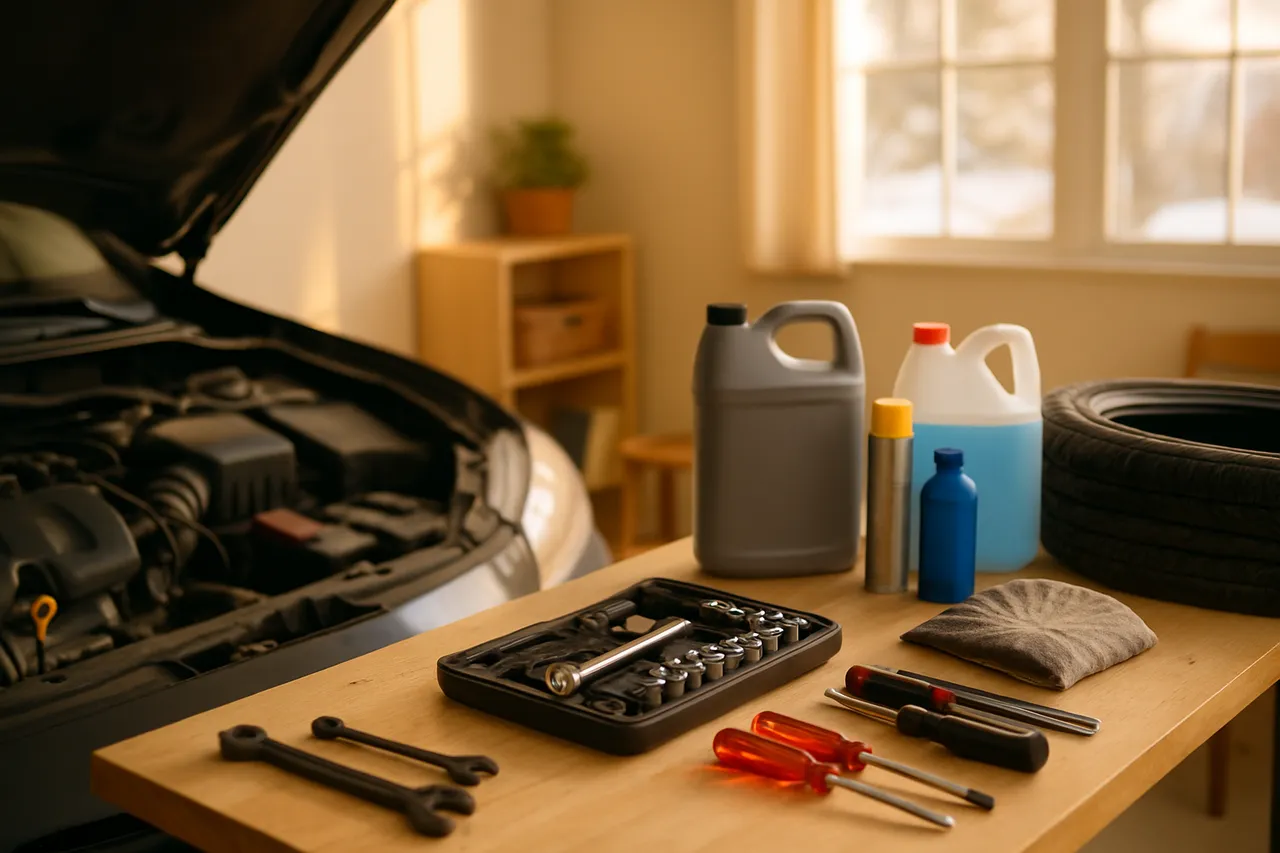
Basic Car Maintenance for Utah Winters
with Mark
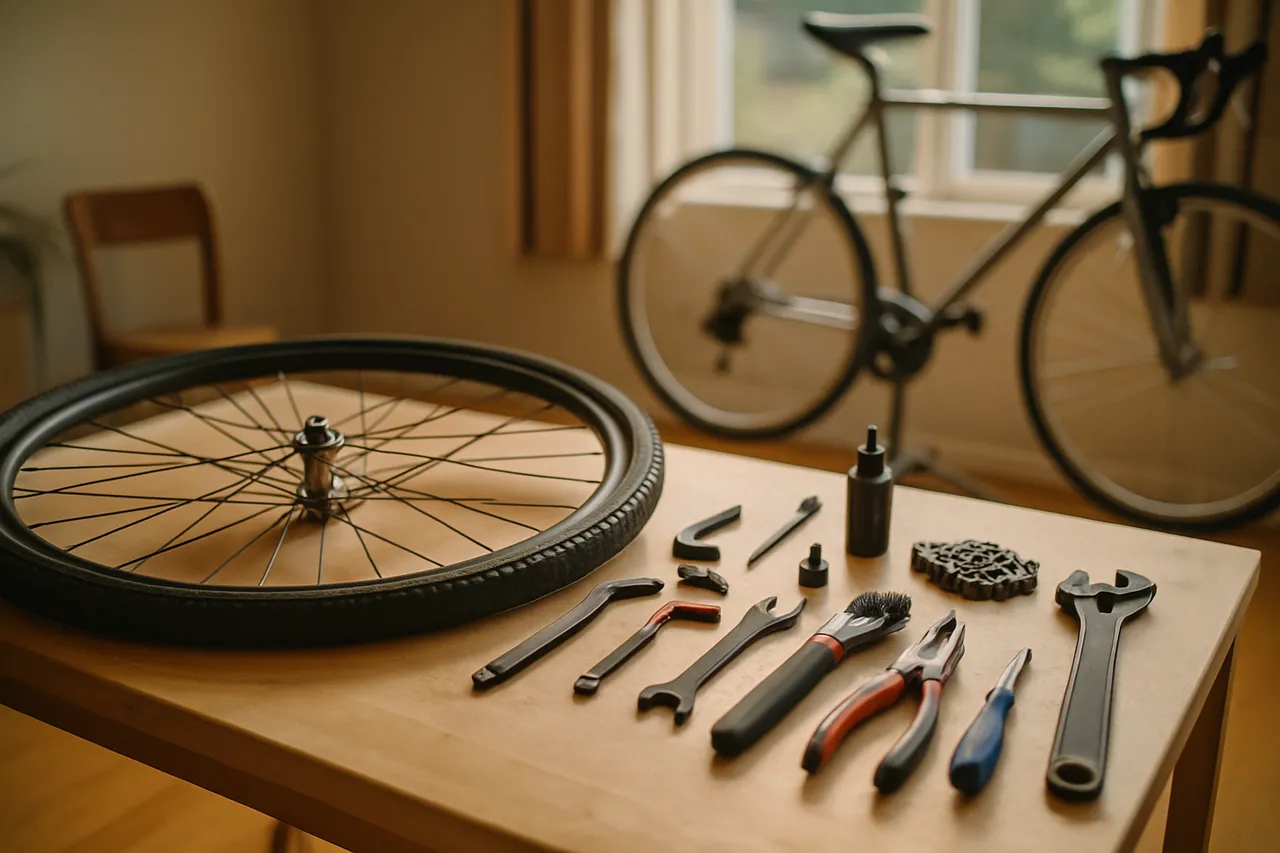
Bike Tune-Up Basics
with Ryan
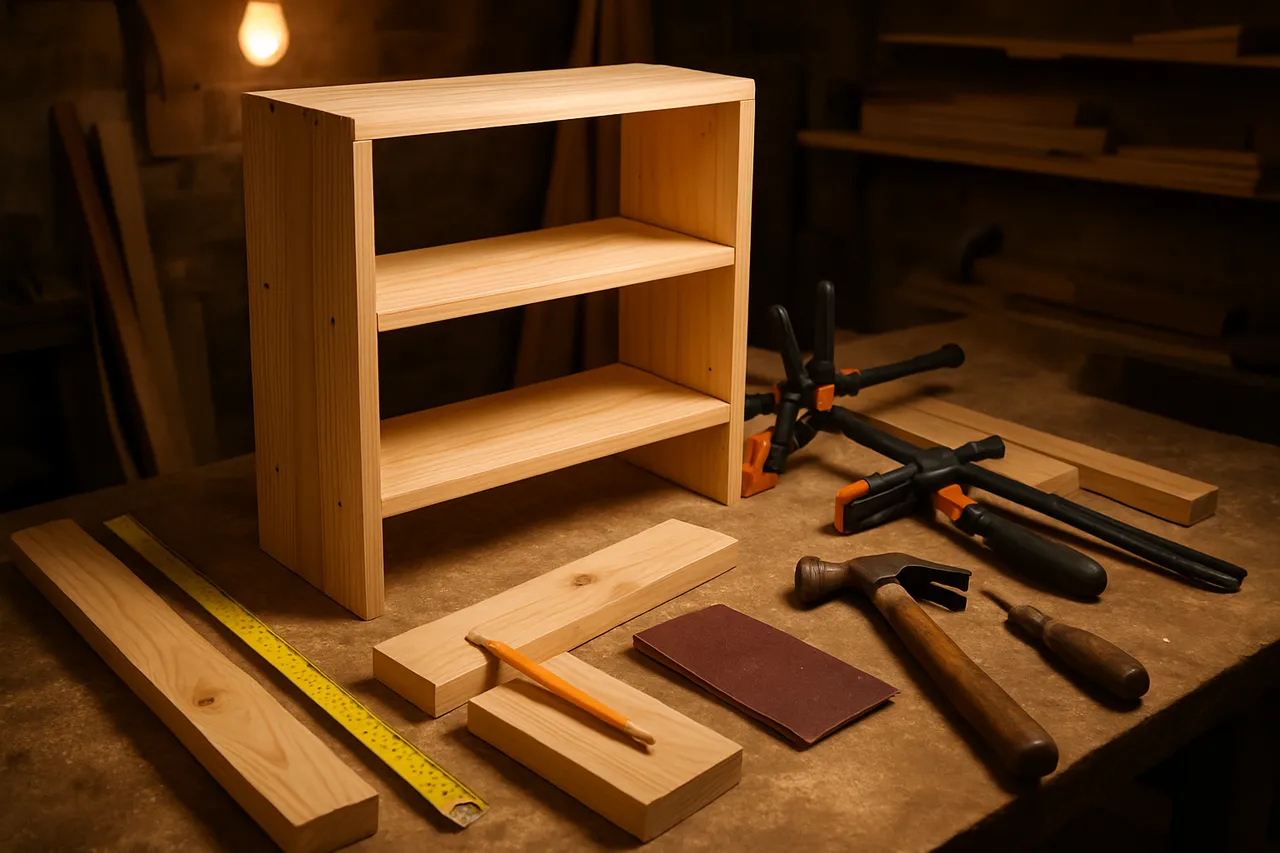
Intro to Woodworking: Build a Small Shelf
with Andy