
Starting a Small Side Business
Here's the thing nobody tells you: the money part of a side business isn't the hard part. The hard part is deciding your idea is real enough to treat it seriously without quitting your day job on a feeling.
This class is for people testing something on nights and weekends. Crafts, lawn care, freelance work, catering, whatever you've got going. We'll figure out what to actually charge, how to keep track of your money so it doesn't fall apart at tax time, and whether you even need an LLC yet. (Probably not. We'll talk about it.)
You'll do the real math on your own idea, in class, on paper. You leave with numbers, not a good feeling. I'm not an accountant and I'll say so.
What you'll learn
- Determine whether your idea is a real business
- Calculate your true costs and set fair prices
- Set up a separate bank account and simple bookkeeping
- Decide if you need an LLC or license
- Start small and test ideas before spending money
Lessons
- Is This Real Yet?
Before any numbers, we sort out whether you've got a business or a hobby, and why it's fine either way.
- What to Actually Charge
The part most people get wrong, including me on my first job, where the loss came out of my own pocket.
- Keeping Track of the Money
A separate checking account fixes most of your headaches, and I'll show you the spreadsheet I actually use.
- Do You Even Need an LLC?
Everybody wants one because it feels official, and most of you testing something on weekends don't need it yet.
- Buying for the Business You Have
The clearance-rack scale in my garage is the whole lesson: buy for the business you have, not the one you're imagining.
- Keeping It Going Without Burning Out
How to grow slow, protect your day job, and not resent something you used to love.
Class discussion
More money & career classes

Family Budgeting Basics
with Joyce
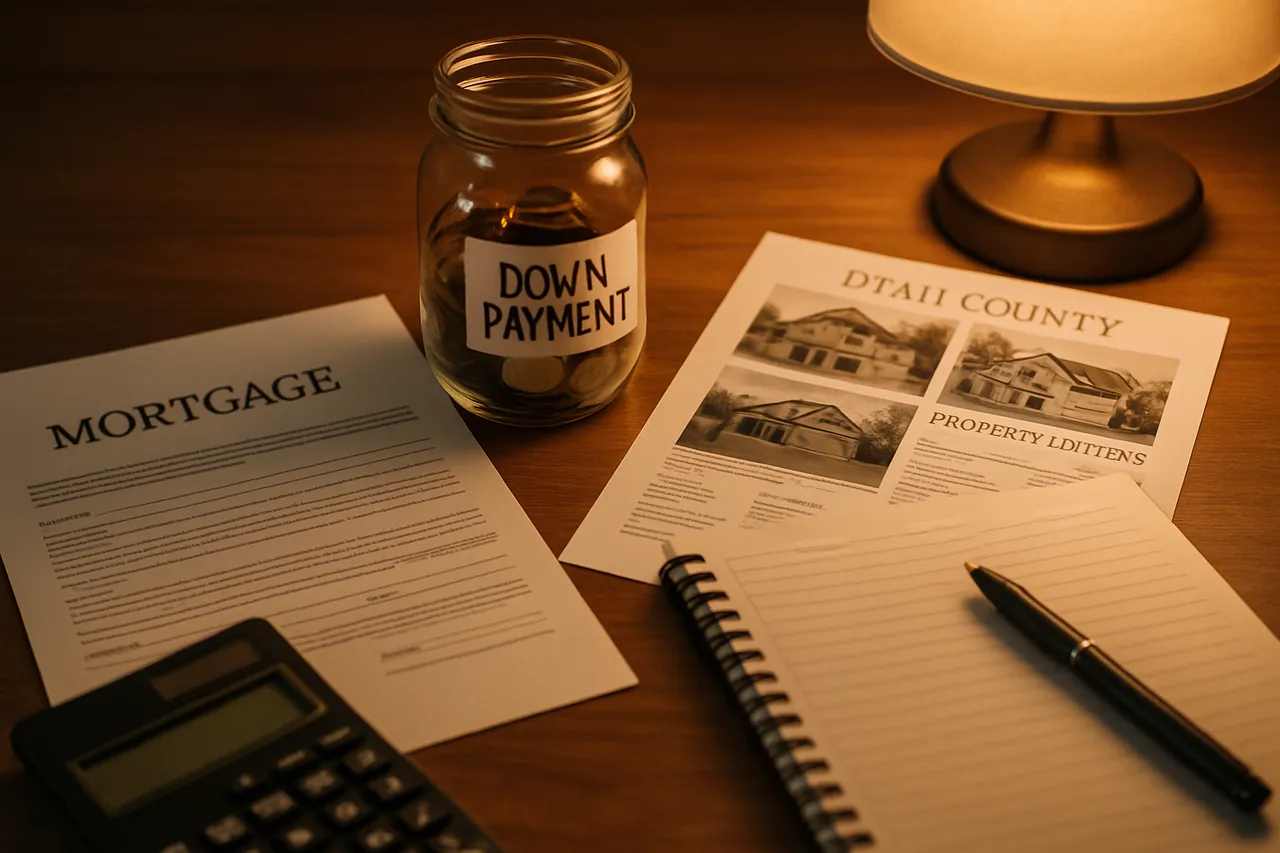
First-Time Home Buying in Utah County
with Jonathan

Managing Debt and Building Credit
with Devin